
Master Clock
PMC Series

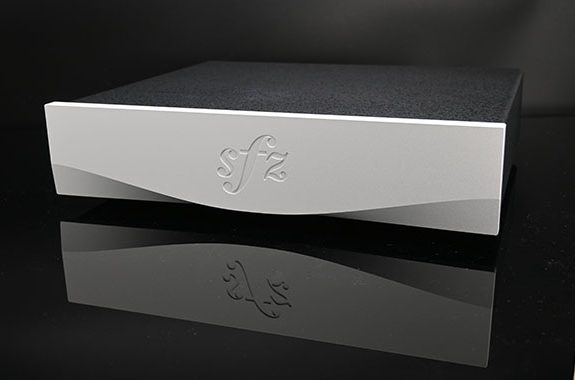
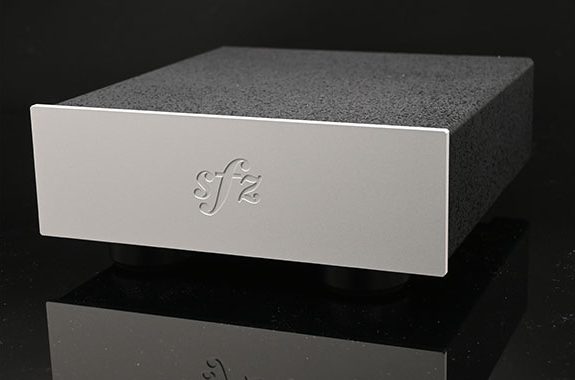
Precision 10MHz Master Clocks
- PMC-05EX
- PMC-07EX
- PMC-09EX
In all digital audio equipment, the clock determines the timing of the D/A conversion. The quality of the clock directly affects the quality of the D/A conversion, making it the most significant factor determining the sound quality of digital audio.
So, what quality is required of a clock? In a word, it’s precision. However, this differs from the notion of accuracy that remains unchanged even after 100 years. If the oscillation frequency remains stable on average over a long period, there will be no deviation after 100 years. However, the precision demanded in audio is not long-term stability. What is required is stability over extremely short intervals: the time from the D/A conversion of the first data sample to the conversion of the next, and the time from the conversion of the second sample to the third. This consistency in interval timing is the crucial performance metric. Phase noise is a specification indicating clock performance, and the amount of noise very close to the oscillation frequency correlates strongly with this short-term stability. Low nearby phase noise is a major indicator of a good clock. However, the interesting thing about audio is that clocks with the same specifications can sound different. One might reproduce a crisp, defined sound image, while another might naturally reproduce a soft, expansive soundstage – such differences in sound emerge.
The SFORZATO master clock excels in its specifications, of course. But more than that, it is a master clock crafted by ear. It uses clock oscillators selected through exhaustive listening tests. It is meticulously designed to maximize the oscillator’s performance through a powerful power supply and optimal mounting methods.